
ArtistDirect News
Documentary The Palomino Brings L.A.s Legendary Country Club Back Into Focus
On Tuesday, the Grammy Museum in Los Angeles opened its doors to a sold‑out advance screening of The Palomino, the film that chronicles the rise and fall of a West Coast country‑music icon. In just nine minutes, tickets vanished—a new record for the museum’s preview series. The buzz didn’t stop there: a second showing is slated for July 19 at the Campus Jax Supper Club in Newport Beach, and the Valley Relics Museum in Van Ney’s pulled a sell‑out in a single day.
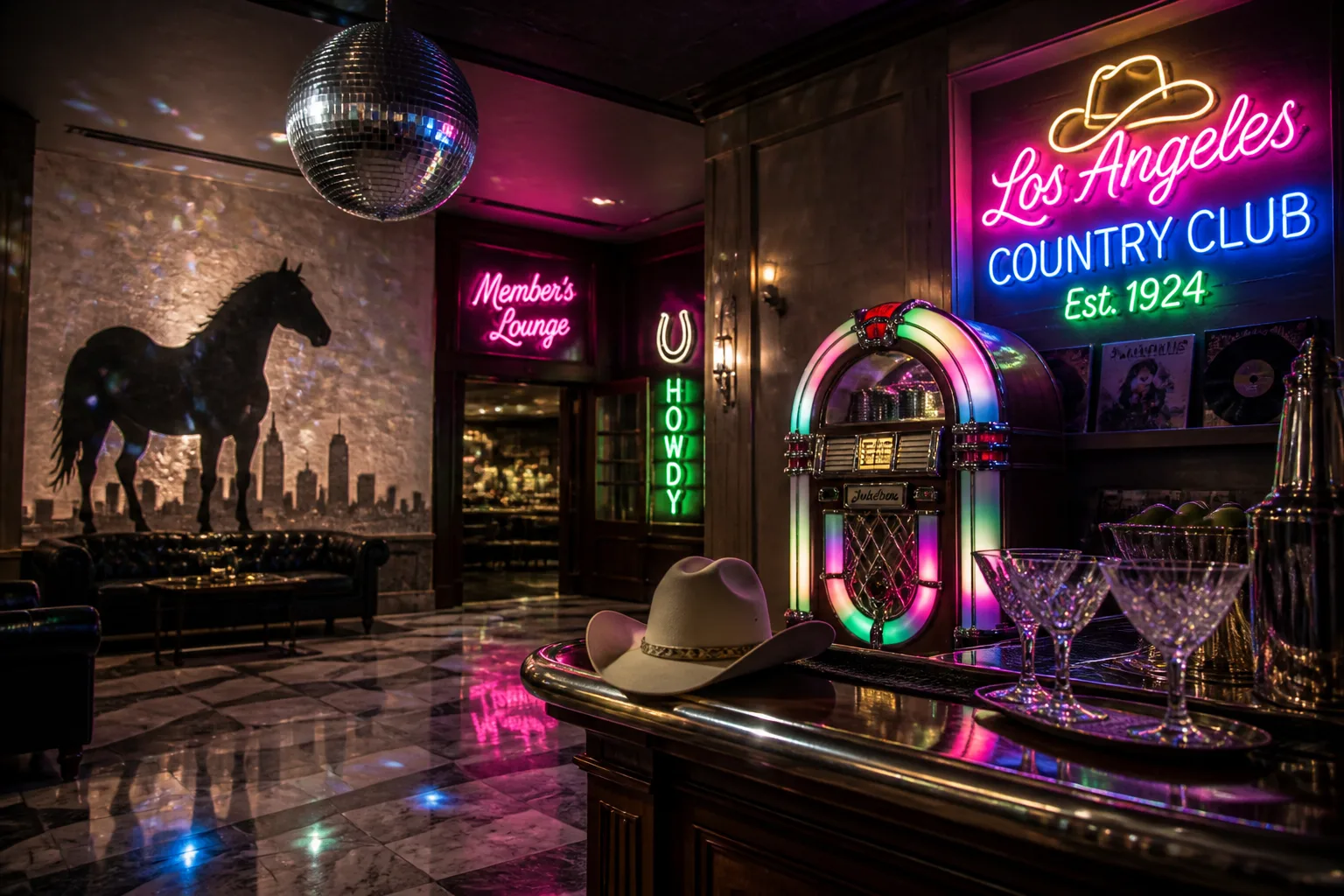
The Palomino Club itself opened its doors in 1949 at 6907 Lankershim Boulevard in North Hollywood. Over its 46‑year history it became the West Coast’s most prominent country‑music venue, drawing the likes of Johnny Cash, Willie Nelson, Linda Ronstadt, Jerry Lee Lewis, and Hank Williams Jr. Its neon horseshoe, a floating rearing horse, and a marquee that listed the names of its biggest performers made the club a landmark for country fans.
Director Adrienne Isom and producer‑partner KP Hawthorn first met while performing together at the Stagecoach Festival, and in 2018 they founded Mule Kick Records. That same year they staged a reunion concert at the original Palomino location, reinstalling the club’s neon sign and inviting many of the musicians who had made their names there. Isom has said the documentary was made “with blood, sweat, tears and credit cards,” and that the film’s rapid sell‑out reflected the enduring interest in the club’s legacy.
The screenings have highlighted the Palomino’s influence beyond its physical space. The Valley Relics Museum, which houses the original neon sign, also displays costumes by rodeo tailor Nudie Cohn, who outfitted many of the club’s performers. The documentary notes that Leo Fender’s Telecaster appeared on stage at the Palomino, illustrating the intersection of Los Angeles’ recording industry and live country music.
Robyn Robichaux, a former cocktail waitress at the club, recalled in a 2014 interview that Willie Nelson’s first performance there made him look “like he worked for IBM.” She added that the club attracted “half the Beatles” one night and the Rolling Stones another, underscoring its status as a venue where top acts from multiple genres crossed paths.
Isom has described the Palomino as the second most important venue in country‑music history, only behind Nashville’s Grand Ole Opry. She argues that without the club, artists such as Lucinda Williams, Emmylou Harris, Dwight Yoakam, Rosie Flores, Linda Ronstadt and Gram Parsons would not have emerged. The club’s proximity to Capitol Records and the presence of Nudie Cohn and Leo Fender helped L.A. develop a country‑music style that incorporated rhinestone and fringe, distinct from the Nashville sound.
The documentary’s premiere at the Country Music Hall of Fame and Museum’s Ford Theater in Nashville on April 25, 2026, and the subsequent screenings in Los Angeles and Newport Beach, bring renewed attention to a venue that closed in 1995, before the release of Waterworld and Windows 95. The film and its accompanying events serve as a reminder of the Palomino’s role in shaping West Coast country music and its lasting influence on the genre’s performers and industry.
The Palomino Club itself opened its doors in 1949 at 6907 Lankershim Boulevard in North Hollywood. Over its 46‑year history it became the West Coast’s most prominent country‑music venue, drawing the likes of Johnny Cash, Willie Nelson, Linda Ronstadt, Jerry Lee Lewis, and Hank Williams Jr. Its neon horseshoe, a floating rearing horse, and a marquee that listed the names of its biggest performers made the club a landmark for country fans.
Director Adrienne Isom and producer‑partner KP Hawthorn first met while performing together at the Stagecoach Festival, and in 2018 they founded Mule Kick Records. That same year they staged a reunion concert at the original Palomino location, reinstalling the club’s neon sign and inviting many of the musicians who had made their names there. Isom has said the documentary was made “with blood, sweat, tears and credit cards,” and that the film’s rapid sell‑out reflected the enduring interest in the club’s legacy.
The screenings have highlighted the Palomino’s influence beyond its physical space. The Valley Relics Museum, which houses the original neon sign, also displays costumes by rodeo tailor Nudie Cohn, who outfitted many of the club’s performers. The documentary notes that Leo Fender’s Telecaster appeared on stage at the Palomino, illustrating the intersection of Los Angeles’ recording industry and live country music.
Robyn Robichaux, a former cocktail waitress at the club, recalled in a 2014 interview that Willie Nelson’s first performance there made him look “like he worked for IBM.” She added that the club attracted “half the Beatles” one night and the Rolling Stones another, underscoring its status as a venue where top acts from multiple genres crossed paths.
Isom has described the Palomino as the second most important venue in country‑music history, only behind Nashville’s Grand Ole Opry. She argues that without the club, artists such as Lucinda Williams, Emmylou Harris, Dwight Yoakam, Rosie Flores, Linda Ronstadt and Gram Parsons would not have emerged. The club’s proximity to Capitol Records and the presence of Nudie Cohn and Leo Fender helped L.A. develop a country‑music style that incorporated rhinestone and fringe, distinct from the Nashville sound.
The documentary’s premiere at the Country Music Hall of Fame and Museum’s Ford Theater in Nashville on April 25, 2026, and the subsequent screenings in Los Angeles and Newport Beach, bring renewed attention to a venue that closed in 1995, before the release of Waterworld and Windows 95. The film and its accompanying events serve as a reminder of the Palomino’s role in shaping West Coast country music and its lasting influence on the genre’s performers and industry.