
ArtistDirect News
Rising Oil Prices Threaten Vinyl Record Costs, Industry Experts Warn
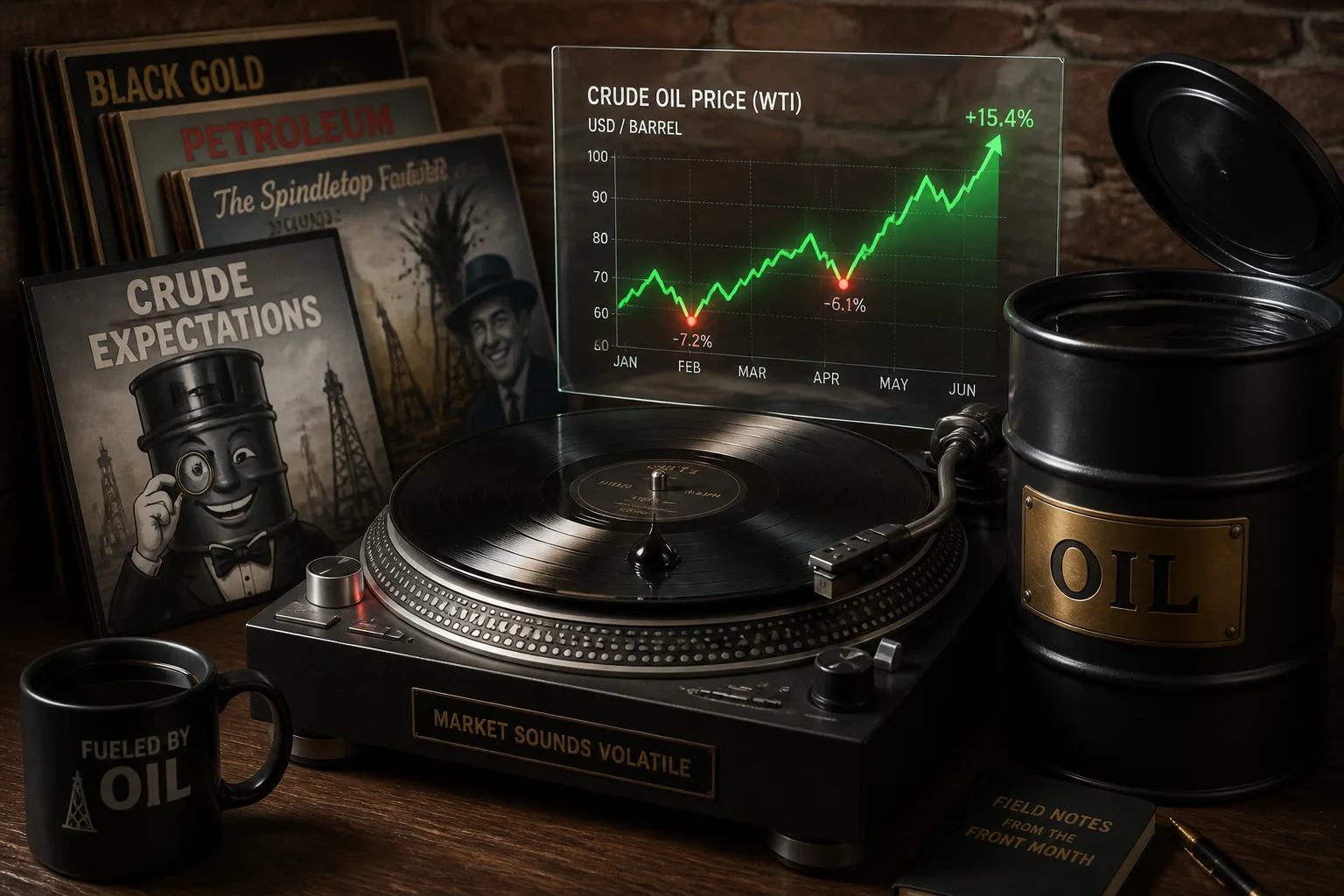
In September 2026, the price of a barrel of crude oil has climbed to roughly $110, a level that could push the cost of vinyl records higher. The link between oil prices and vinyl production dates back to the 1973 oil crisis, when a sudden quadrupling of oil prices forced record manufacturers to cut costs, resulting in thinner, lower‑quality discs.
The 1973 oil crisis began when the Organization of Arab Petroleum Exporting Countries (OAPEC) imposed an embargo on nations that had supported Israel during the Yom Kippur War. The embargo lifted in March 1974, but the price of oil had risen from about $3 to nearly $12 per barrel, a 300 % increase. The spike triggered inflation, a shift to fuel‑efficient vehicles, and a significant impact on the recorded‑music industry. Vinyl records, made from polyvinyl chloride (PVC), a petrochemical by‑product of crude oil, became more expensive to produce.
To manage rising costs, record labels in the 1970s reportedly reduced the thickness of vinyl discs and increased the use of recycled vinyl. The thinner discs were more prone to warping and scratching, and the recycled material introduced additional noise. The decline in vinyl quality contributed to the rise of compact discs in the early 1980s, as consumers sought a more reliable format.
PVC production costs are closely tied to the price of crude oil. Industry analyses show that the cost of raw materials for PVC rises when oil prices increase. With oil now priced near $110 per barrel, the cost of PVC is expected to rise accordingly. If the price of PVC rises, manufacturers of vinyl records will face higher production costs, which could be passed on to consumers.
Geopolitical tensions in the Middle East continue to influence oil supply. The ongoing conflict in the Red Sea, where Houthi rebels have disrupted Saudi Arabian exports, has contributed to higher oil prices. While the United States has played a role in Middle Eastern policy, the primary driver of the current price increase is the disruption of supply routes.
The potential impact on vinyl record prices is not yet quantified, but industry observers warn that a sustained rise in oil prices could lead to a noticeable increase in the retail cost of new vinyl releases. The vinyl market has already seen price fluctuations in response to supply chain disruptions and raw‑material shortages.
In summary, the 1973 oil crisis set a precedent for how oil price shocks can affect the vinyl record industry. Today’s high oil prices, driven by geopolitical tensions and supply disruptions, could raise the cost of PVC and, in turn, vinyl records. The industry is monitoring the situation closely as it considers pricing strategies for new releases.
The 1973 oil crisis began when the Organization of Arab Petroleum Exporting Countries (OAPEC) imposed an embargo on nations that had supported Israel during the Yom Kippur War. The embargo lifted in March 1974, but the price of oil had risen from about $3 to nearly $12 per barrel, a 300 % increase. The spike triggered inflation, a shift to fuel‑efficient vehicles, and a significant impact on the recorded‑music industry. Vinyl records, made from polyvinyl chloride (PVC), a petrochemical by‑product of crude oil, became more expensive to produce.
To manage rising costs, record labels in the 1970s reportedly reduced the thickness of vinyl discs and increased the use of recycled vinyl. The thinner discs were more prone to warping and scratching, and the recycled material introduced additional noise. The decline in vinyl quality contributed to the rise of compact discs in the early 1980s, as consumers sought a more reliable format.
PVC production costs are closely tied to the price of crude oil. Industry analyses show that the cost of raw materials for PVC rises when oil prices increase. With oil now priced near $110 per barrel, the cost of PVC is expected to rise accordingly. If the price of PVC rises, manufacturers of vinyl records will face higher production costs, which could be passed on to consumers.
Geopolitical tensions in the Middle East continue to influence oil supply. The ongoing conflict in the Red Sea, where Houthi rebels have disrupted Saudi Arabian exports, has contributed to higher oil prices. While the United States has played a role in Middle Eastern policy, the primary driver of the current price increase is the disruption of supply routes.
The potential impact on vinyl record prices is not yet quantified, but industry observers warn that a sustained rise in oil prices could lead to a noticeable increase in the retail cost of new vinyl releases. The vinyl market has already seen price fluctuations in response to supply chain disruptions and raw‑material shortages.
In summary, the 1973 oil crisis set a precedent for how oil price shocks can affect the vinyl record industry. Today’s high oil prices, driven by geopolitical tensions and supply disruptions, could raise the cost of PVC and, in turn, vinyl records. The industry is monitoring the situation closely as it considers pricing strategies for new releases.